A new roof is a significant investment, and understanding the cost can help you plan your budget with confidence. In 2026, the average roof replacement cost depends on factors such as roof size, material, location, labor, and roof complexity. Basic asphalt shingles are typically more affordable, while metal and other premium roofing materials can cost more.
Your final price may also include old roof removal, repairs, permits, and disposal fees. In this guide, we’ll break down roof replacement costs by material, size, and region.
You’ll also learn what affects pricing and how to compare quotes from local roofing contractors.
Quick Answer
A typical roof replacement costs roughly $4–$11 per square foot installed nationwide, with many asphalt shingle projects falling toward the lower and middle portions of that range. A 2,000-square-foot roof could therefore cost approximately $8,000–$22,000, depending on the project.
The actual roof area, not simply the home's interior square footage is what contractors use to calculate roofing costs. Pitch, design complexity, tear-off requirements, materials, labor, and local market conditions can all change the final estimate.
Average Roof Replacement Cost in 2026
Current national estimates vary because roofing projects differ widely. Angi reports an average replacement range of approximately $4–$11 per square foot, while other 2026 estimates put a typical new roof in the mid-five-figure range for more extensive or premium projects.
|
Roof Project |
Approximate Installed Cost |
|
1,000 sq. ft. |
$4,000–$11,000 |
|
1,500 sq. ft. |
$6,000–$16,500 |
|
2,000 sq. ft. |
$8,000–$22,000 |
|
2,500 sq. ft. |
$10,000–$27,500 |
|
3,000 sq. ft. |
$12,000–$33,000 |
These figures are planning ranges, not contractor quotes. The roof's actual measured area and project specifications should be used for a precise estimate.
Roof Replacement Cost by Material
The roofing material you select can have one of the biggest effects on your total project cost.
|
Roofing Material |
Typical Cost Per Sq. Ft. |
General Cost Level |
|
3-tab asphalt shingles |
$3–$5 |
Low |
|
Architectural asphalt shingles |
$5–$12 |
Low–Moderate |
|
Metal roofing |
$5–$30+ |
Moderate–High |
|
Standing-seam metal |
$10–$30 |
High |
|
Slate |
$15–$30 |
Very High |
Asphalt remains a popular choice because it offers a relatively low upfront cost and a wide range of styles. Current 2026 estimates put 3-tab asphalt shingles around $3–$5 per square foot, while architectural and premium shingles can cost considerably more.
Metal Roof Cost
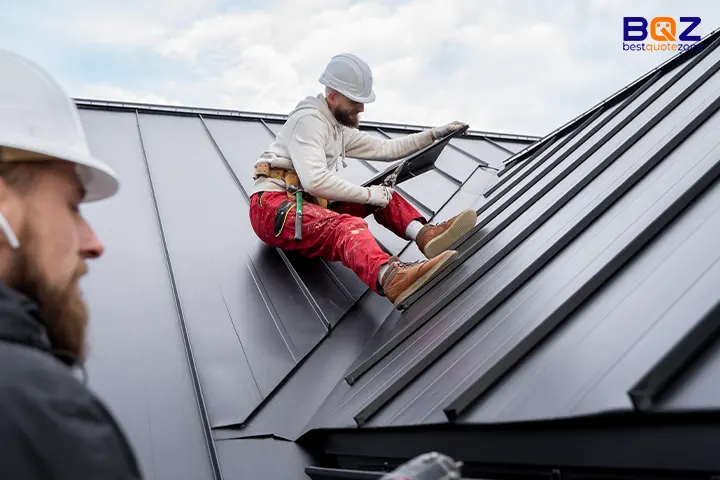
Metal roof cost can range considerably depending on whether you choose corrugated panels, metal shingles, aluminum, steel, or standing-seam roofing. Metal roofing generally has a higher upfront price than basic asphalt shingles, but homeowners may choose it for durability, low maintenance, appearance, or performance in certain climates.
Roof Replacement Cost by Size
Roof size is another major pricing factor. Remember that a 2,000-square-foot house does not necessarily have a 2,000-square-foot roof. A roof's actual surface area increases with pitch and architectural complexity.
Example Cost Calculation
A simple roof replacement cost calculator can use:
Roof area × cost per square foot = estimated project cost
For example:
2,000 sq. ft. × $6 = $12,000
This is only a starting point. If the roof requires tear-off, decking replacement, extensive flashing work, ventilation improvements, or structural repairs, the final price may be higher. Roofers may also quote by the roofing square, where one square equals 100 square feet.
How to Use a Roof Replacement Cost Calculator
A roof replacement cost calculator can provide a useful preliminary budget, but it should not replace an in-person inspection.
To estimate your project:
- Determine the approximate roof area.
- Select the roofing material.
- Choose an estimated installed price per square foot.
- Add likely tear-off and disposal costs.
- Account for roof pitch and complexity.
- Include potential decking or flashing repairs.
- Adjust for local labor and permit costs.
The best estimate comes from a contractor who measures the roof and identifies the condition of the existing roofing system.
Regional Roof Replacement Costs
Roofing prices vary throughout the United States. Homeowners in high-cost metropolitan areas may pay more because of higher labor, insurance, transportation, and operating costs. Rural markets may have lower labor rates but can sometimes face higher material transportation costs or fewer available contractors. Because regional pricing can change substantially, homeowners should compare quotes from contractors who regularly work in their local market.
What Affects Roof Replacement Cost?
The material is only one part of the equation.
1. Roof Pitch
Steep roofs generally require additional safety equipment, labor, and installation time.
2. Roof Complexity
Multiple valleys, dormers, skylights, chimneys, and roof sections increase labor and flashing requirements.
3. Tear-Off
Removing an existing roof adds labor, disposal, and transportation costs.
4. Roof Decking
Damaged or rotten decking may need to be replaced before the new roofing material is installed.
5. Flashing and Ventilation
Flashing around chimneys, walls, skylights, and roof penetrations may need replacement. Proper attic ventilation can also be part of a complete roofing system.
6. Local Labor Costs
Contractor rates vary significantly by state, city, season, and demand.
7. Permits
Some municipalities require permits for roof replacement. Permit fees and requirements vary by location.
Labor vs. Material Costs
Your roofing quote generally combines materials and installation labor rather than charging homeowners separately for every task.
Material expenses can include:
- Shingles or metal panels
- Underlayment
- Ice and water protection
- Flashing
- Ridge caps
- Fasteners
- Ventilation components
Labor can include:
- Tear-off
- Roof preparation
- Installation
- Flashing installation
- Cleanup
- Debris disposal
Ask contractors for an itemized estimate so you can understand what is included.
Pros and Cons of Common Roofing Materials
Asphalt Shingles
Pros
- Lower upfront cost
- Widely available
- Many colors and styles
- Easy to find qualified installers
Cons
- Shorter potential lifespan than some premium materials
- Can be affected by severe weather
- May require replacement sooner than metal or slate
Metal Roofing
Pros
- Long service life
- Low routine maintenance
- Available in many styles
- Strong performance in many weather conditions
Cons
- Higher initial cost
- Installation quality is especially important
- Some metal systems can dent or produce noticeable rain noise
Ways to Save on Roof Replacement
You don't necessarily need to choose the cheapest roof to control costs.
Try these strategies:
- Compare at least three detailed quotes.
- Ask whether repair is a reasonable alternative.
- Compare material options based on lifespan and maintenance.
- Schedule work before peak seasonal demand when practical.
- Confirm exactly what the quote includes.
- Ask about warranties for both materials and workmanship.
- Avoid choosing a contractor solely because they offer the lowest price.
A low bid that excludes decking repairs, flashing, ventilation, or disposal may ultimately cost more.
When Should You Replace Your Roof?
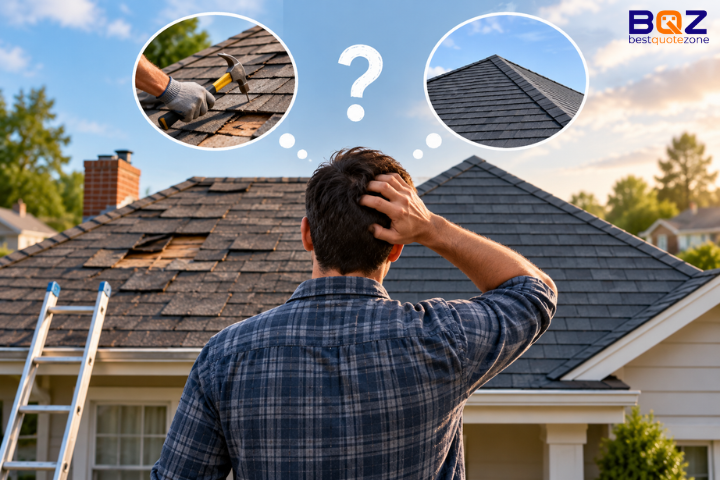
Replacement may make more sense than repair when the roof has widespread damage, recurring leaks, extensive deterioration, or is approaching the end of its expected service life. A professional inspection can help determine whether replacement is necessary.
If damage is limited to a small area and the roofing system is otherwise in good condition, repair may be a more economical option. Current repair estimates commonly range from hundreds to several thousand dollars depending on the extent of damage.
Conclusion
The roof replacement cost in 2026 depends on much more than the size of your house. Roofing material, roof pitch, complexity, local labor rates, tear-off requirements, decking condition, and regional conditions can all change the final price.
For many homeowners, asphalt shingles provide the most accessible starting point, while metal roof cost can be significantly higher depending on the system selected.
The smartest way to budget is to use online estimates as a starting point, then compare detailed quotes from qualified local roofing professionals. Don't compare prices alone, compare the scope, materials, warranties, and workmanship included in each proposal.
.webp)