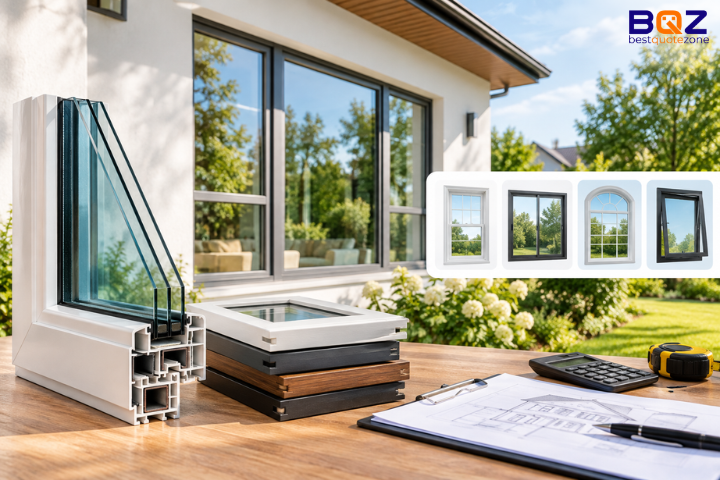
Replacing old windows can improve comfort, curb appeal, energy performance and noise control but choosing the right windows is not as simple as picking the most expensive brand.
The best replacement windows depend on your home's climate, frame material, glass package, window style, installation method and budget. In 2026, homeowners should also pay close attention to NFRC ratings, ENERGY STAR certification, warranty terms and installation quality.
If you're comparing replacement window brands and trying to understand the real replacement window cost, this guide breaks down what to look for before requesting quotes.
Quick Answer
For most U.S. homeowners, quality vinyl or fiberglass windows with double-pane, Low-E glass offer a strong balance of price, durability, maintenance and energy efficiency. Well-known brands such as Andersen, Pella and JELD-WEN offer multiple product lines, but the specific window model and installation quality matter as much as the brand name.
In 2026, homeowners can expect replacement window projects to cost several thousand dollars for a typical home. Current industry estimates put average project costs around $7,000–$7,500, although actual prices vary considerably by window count, style, materials, location and installation complexity.
How Much Do Replacement Windows Cost in 2026?
The replacement window cost depends heavily on the number of windows, frame material, glass, window style, installation method and local labor rates.
Current 2026 estimates vary. This Old House reports an average installed cost of about $517 per window and approximately $7,183 for a typical project, while Angi reports an average project cost of about $7,348, with many projects falling between $3,436 and $11,837.
|
Project Factor |
Typical 2026 Cost Consideration |
|
Average replacement project |
About $7,000–$7,500 |
|
Typical project range |
About $3,400–$11,800 |
|
Labor |
Often $100–$300 per window |
|
Retrofit replacement |
Generally less expensive |
|
Full-frame replacement |
Generally more expensive |
|
Premium or specialty windows |
Can exceed $2,000 per window |
These numbers are planning ranges, not guaranteed prices. A large bay window, second-story installation, historic home or structural repair can cost substantially more.
What Drives Replacement Window Cost?
1. Frame Material
Vinyl, aluminum, wood, fiberglass and composite windows all have different price points. Vinyl is popular because it combines relatively low cost with low maintenance. Fiberglass tends to cost more but can provide excellent durability. Wood offers a traditional appearance but requires more maintenance.
2. Window Style
Double-hung windows are commonly used in residential replacement projects. Casement, sliding, picture, awning, bay and bow windows can have different installation and material costs. Complex architectural windows can increase both product and labor costs.
3. Glass Package
Double-pane glass is a common choice for replacement projects. Triple-pane glass can provide greater insulation but costs more. Low-E coatings can also improve thermal performance by controlling heat transfer through the glass.
4. Installation Method
A retrofit or pocket replacement may cost less when the existing frame is structurally sound. A full-frame replacement removes more of the existing window assembly. It can make sense when there is rot, water damage, deteriorated framing or a need to change the opening.
Window Brands Compared
There is no single replacement window brand that is best for every homeowner. Instead, compare brands based on product line, frame material, glass options, warranty, availability and installer reputation.
|
Brand |
Known For |
What to Compare |
|
Andersen |
Broad residential window selection |
Series, materials, warranty and installation |
|
Pella |
Vinyl, fiberglass and wood options |
Product series and energy ratings |
|
JELD-WEN |
Wide range of replacement products |
Materials, configuration and warranty |
|
Marvin |
Premium wood and fiberglass options |
Product line and project budget |
|
Milgard |
Replacement and new-construction windows |
Product availability and local installer |
|
Simonton |
Vinyl replacement windows |
Specific series and contractor installation |
A brand name alone does not guarantee that a particular window is right for your home. ENERGY STAR's product database, for example, contains thousands of certified window options and performance varies by model and climate zone.
Best Replacement Window Materials
1. Vinyl Windows
Best for: Budget-conscious homeowners who want low maintenance.
Vinyl windows are widely available and generally offer good value. They do not require regular painting and are available with modern double-pane and Low-E glass packages.
2. Fiberglass Windows
Best for: Homeowners prioritizing durability and performance.
Fiberglass can be more expensive than vinyl, but it is strong and dimensionally stable. It can make sense when long-term durability is a priority.
3. Wood Windows
Best for: Traditional homes and homeowners who prioritize appearance.
Wood provides a classic appearance and can offer excellent insulating performance. However, it generally requires more maintenance than vinyl or fiberglass.
4. Aluminum Windows
Best for: Certain modern designs and regions where strength and slim frames are priorities.
Aluminum is strong and lightweight but can conduct heat more readily than some other frame materials. The specific product's thermal design matters.
What Window Ratings Should You Look For?
Don't judge a replacement window only by its brand or price. The National Fenestration Rating Council (NFRC) provides standardized performance ratings that make it easier to compare products.
Important ratings include:
- U-factor: Measures how well the window insulates. Lower numbers generally indicate better insulation.
- SHGC: Measures how much solar heat passes through the window. Lower SHGC values block more solar heat.
- Air Leakage: Indicates how much air passes through the window assembly. Lower values are generally better.
- Visible Transmittance: Measures how much visible light passes through the window.
- Condensation Resistance: Indicates how well the window resists condensation.
ENERGY STAR also recommends choosing windows based on your climate. For example, colder regions generally benefit from lower U-factor windows, while homes in hot, sunny climates may place greater emphasis on lower SHGC.
ENERGY STAR Certification
ENERGY STAR-certified windows are independently tested and verified using NFRC ratings and must meet EPA performance requirements for the applicable climate zone. This makes ENERGY STAR certification a useful starting point but homeowners should still compare the actual NFRC ratings of competing products.
What to Avoid When Buying Replacement Windows
1. Choosing the Cheapest Quote
A low quote may exclude trim work, disposal, flashing, permits, structural repairs or upgraded glass. Ask every contractor to provide a detailed written scope.
2. Comparing Brands Instead of Window Models
A manufacturer can sell several product lines with different performance levels and prices. Compare the exact series, glass package, frame material, warranty and NFRC ratings.
3. Ignoring Installation Quality
Even an excellent window can perform poorly if it is incorrectly measured or installed. Ask who will perform the installation, whether the contractor is licensed where required and what workmanship warranty is included.
4. Buying Based Only on Energy Savings
Energy efficiency matters, but so do ventilation, appearance, durability, maintenance, noise reduction, security and cost. The most expensive window is not automatically the best investment.
5. Assuming a Federal Tax Credit Still Applies
Homeowners should verify current federal and state incentives before including a tax credit in their budget. ENERGY STAR's current federal window tax-credit page states that the previously listed window credit applied to qualifying products purchased. Incentives can change, so check current IRS and state guidance before relying on a tax benefit for a 2026 project.
How to Get the Best Window Replacement Quote
Before choosing a contractor, request multiple quotes that specify:
- Exact window manufacturer and series
- Window style and dimensions
- Frame material
- Number of panes
- Low-E and gas-fill options
- NFRC ratings
- Installation method
- Labor and material costs
- Removal and disposal
- Trim and finishing work
- Permit responsibility
- Product and workmanship warranties
Comparing quotes this way gives you a much clearer picture of actual value. You can start by comparing local window professionals through BestQuoteZone's window replacement service.
Pros and Cons of Replacement Windows
Pros
- Better comfort and insulation
- Reduced drafts
- Improved curb appeal
- Potentially lower heating and cooling costs
- Better noise control
- Modern operating hardware
- Improved weather resistance
Cons
- Significant upfront cost
- Installation can be disruptive
- Premium materials can become expensive
- Structural repairs may be discovered
- Poor installation can reduce performance
- Payback varies by climate and household energy use
Expert Buying Tips for 2026
Compare performance, not just price. Ask for the NFRC label and compare U-factor and SHGC.
Match the window to your climate. A window optimized for a cold climate may not be the best choice for a hot Southern climate.
Consider installation as part of the product. Measurements, flashing, sealing and weatherproofing can affect long-term performance.
Get at least three detailed quotes. Comparing multiple bids can reveal unusual pricing, missing scope items or unnecessary upgrades.
Think about the whole project. Replacing several windows at once may provide better project pricing than completing one window at a time, although this depends on the contractor and project.
Final Thoughts
The best replacement windows for 2026 are not necessarily the most expensive windows or the most heavily advertised brand.
For most homeowners, the smarter approach is to compare window performance, frame material, glass package, installation quality, warranty and total replacement window cost.
Start with ENERGY STAR and NFRC performance information, then compare detailed quotes from qualified local installers. A good contractor should explain why a particular window fits your climate and home instead of simply pushing the highest-priced product.
If you're ready to compare options, get quotes from local window professionals through BestQuoteZone's window replacement service and evaluate the products and installation scope side by side.

.png)
.png)