
Installing solar panels is one of the biggest home upgrades many homeowners consider. While the upfront investment can seem significant, a properly sized solar energy system can help reduce electricity bills for many years while increasing your home's value.
If you're wondering how much do solar panels cost for a 2000 sq ft house, the answer depends on several factors, including your household's electricity usage, roof size, panel efficiency, local labor rates and equipment quality.
In 2026, most homeowners can expect to spend between $18,000 and $35,000 for a professionally installed solar panel system for a typical 2,000-square-foot home before any local incentives or rebates.
Cost-per-watt estimates here align with publicly reported residential solar data from sources like the National Renewable Energy Laboratory (NRL), which tracks system pricing, performance and technology trends across the U.S.
Overview
The average solar panel installation cost for a 2,000 sq ft home in 2026 ranges from $18,000 to $35,000. Most homes require a 7 kW to 11 kW solar system, which typically uses 18 to 28 solar panels, depending on panel wattage, roof layout and household energy consumption.
Solar Panel System Cost Overview
The total cost of a residential solar system depends on much more than the home's square footage. A 2,000 sq ft house with high electricity consumption will typically require a larger system than a similarly sized home with lower energy use.
For most U.S. homes, professionally installed systems fall within these general ranges.
Average Cost Summary
|
Item |
Average Cost |
|
Typical System Size |
7–11 kW |
|
Number of Panels |
18–28 |
|
Average Installation Cost |
$18,000–$35,000 |
|
Average Cost Per Watt |
$2.60–$3.40 |
|
Estimated Installation Time |
2–5 Days |
|
Expected System Lifespan |
25–30 Years |
These figures represent national averages. Local labor costs, roof complexity, permitting requirements and equipment choices can increase or decrease your total project cost.
Factors That Affect Solar Panel Costs
Several factors determine the final installation price.
System Size
Larger systems generate more electricity but require additional panels, mounting hardware, wiring and installation labor. Homes with higher monthly electricity usage generally need larger systems.
Panel Efficiency
Higher-efficiency panels produce more electricity using less roof space. Although premium panels typically cost more upfront, they can be a practical choice for homes with limited roof area.
Roof Size and Layout
A simple roof with minimal obstructions is usually less expensive to install than one with multiple levels, dormers, skylights or steep slopes. Roof orientation also affects solar production. South-facing roofs generally receive the most sunlight in many parts of the United States.
Roof Condition
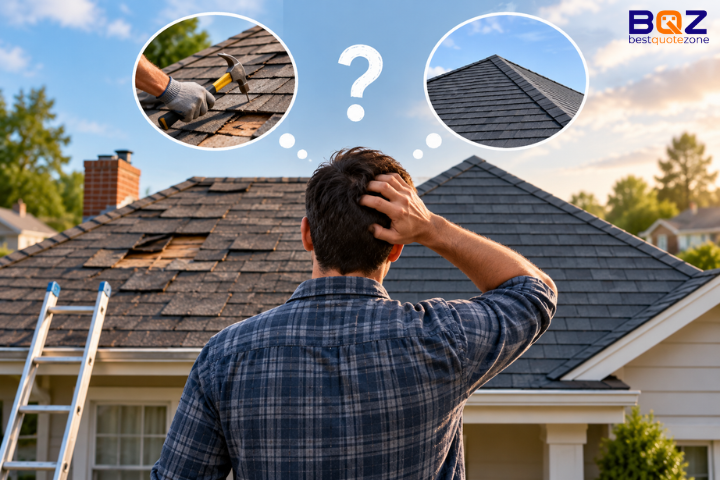
Installing solar panels on an aging roof may not be ideal. If your roof needs replacement soon, completing that work before installation can help avoid removing and reinstalling the system later. For homeowners in this situation, working with experienced roof replacement contractors can ensure your roof is properly prepared for solar and that warranties and flashing details are handled correctly. .
Equipment Quality
The solar panels themselves are only one part of the project.
Other components include:
- Inverters
- Mounting hardware
- Electrical wiring
- Monitoring equipment
- Safety disconnects
Higher-quality components often improve long-term performance and reliability.
Labor Costs
Installation labor varies across the United States. Urban areas and regions with higher construction costs generally have higher installation prices than smaller communities.
Local Building Requirements
Permit fees, inspections, utility requirements and local building codes may affect the total project cost depending on where you live.
Solar Panel Requirements for a 2,000 Sq Ft House
Square footage alone doesn't determine how many solar panels your home needs. Electricity consumption is the most important factor.
A typical 2,000 sq ft home uses approximately 900 to 1,300 kWh of electricity each month, although actual usage varies by climate, family size, heating and cooling systems and household appliances.
Based on average energy consumption:
- 7 kW system: about 18–20 panels
- 8 kW system: about 20–22 panels
- 9 kW system: about 22–24 panels
- 10 kW system: about 25–27 panels
- 11 kW system: about 27–28 panels
Modern residential panels generally produce between 400 and 450 watts each, allowing many homeowners to meet their electricity needs with fewer panels than older systems required.
Homes in sunnier states may achieve similar energy production with slightly smaller systems, while homes in northern regions or areas with frequent cloud cover may benefit from additional capacity.
Is Solar Worth the Cost?
For many homeowners, installing solar panels is a worthwhile long-term investment. While the upfront cost can be significant, a properly sized system can help lower monthly electricity bills and provide dependable energy production for decades.
Solar panels cost calculators also add value in other ways. They reduce reliance on traditional utility power, produce clean energy and require relatively little maintenance after installation.
Whether solar is the right choice depends on several factors, including:
- Your home's annual electricity usage
- The amount of sunlight your roof receives
- Available roof space
- The age and condition of your roof
- Local electricity rates
- Your long-term plans for the home
If your roof receives consistent sunlight and you expect to stay in your home for several years, solar panels can be a practical investment.
Essential Solar Panel Buying Tips
Choosing the right solar system involves more than looking at the installation price. Keep these tips in mind before moving forward:
Know Your Energy Usage
Review your past utility bills to understand how much electricity your household uses throughout the year. This helps determine the right system size.
Check Your Roof
A roof in good condition provides a solid foundation for solar panels. If major roof repairs are needed soon, completing them before installation can prevent additional work later.
Ask About Equipment
Learn about the solar panels, inverter, monitoring system and mounting equipment included in the project. Quality components often deliver better long-term performance.
Understand the Warranty
Most solar panels include long product and performance warranties. Be sure you understand what is covered and for how long.
Request a Site Assessment
Every home is different. A professional site evaluation helps identify shading, roof orientation, available installation space and any challenges that could affect the project.
Avoid These Solar Panel Planning Mistakes
Before installing a solar system, it is important to consider more than just the initial cost. Choosing a system based only on your home size can lead to an inaccurate estimate, as electricity usage is a better factor for determining the right system size. Ignoring roof condition may create additional expenses later if repairs are needed after installation. Homeowners should also consider potential shading from trees, chimneys, or nearby buildings, as these can reduce energy production.
Additionally, planning for future energy needs, such as adding an electric vehicle, expanding your home or using more appliances, can help ensure your system continues to meet your requirements. Reviewing your overall home protection needs with trusted home warranty companies can also help homeowners prepare for unexpected repair costs beyond solar maintenance. While solar systems require minimal maintenance, occasional inspections and cleaning can help maintain efficiency and long-term performance.
Conclusion
Installing solar panels on a 2,000 sq ft home is a significant investment, but it can provide long-term value through lower energy costs and dependable electricity production. While national averages range from $18,000 to $35,000, the final price depends on your home's energy needs, roof characteristics, equipment selection and local installation costs.
Taking the time to understand system sizing, maintenance requirements and the factors that influence pricing can help you make a well-informed decision.
Ready to install solar panels?
Get Free Quotes through Best Quote Zone to connect with trusted local solar professionals. Receiving multiple estimates helps you understand your options and choose a solution that fits your home's energy needs and budget.

.png)
.png)