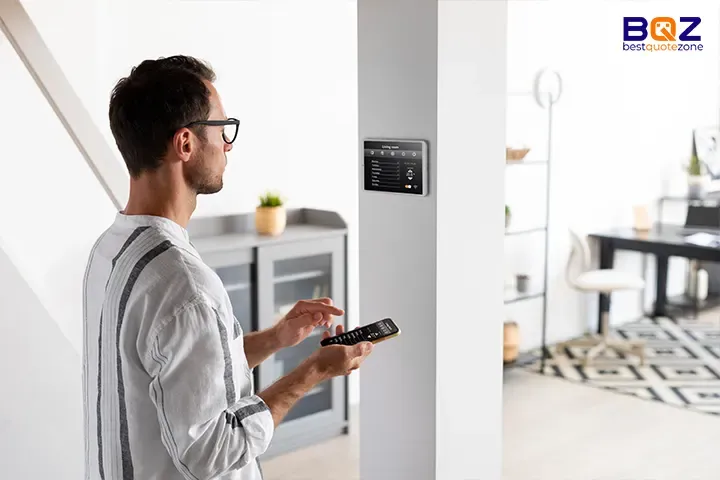
Renting an apartment comes with certain limitations. You may want to install a security camera near the entrance, add an alarm to your windows or upgrade your door locks, but making permanent changes to a property you do not own is not always an option. Some landlords restrict drilling, wiring and modifications that could damage walls, doors or window frames.
That does not mean renters have to settle for basic security.
Modern wireless technology has made it easier to monitor rental properties without complicated installation. From peel-and-stick door sensors to portable security cameras, several devices can provide useful protection without requiring permanent changes to the property.
The best home security systems for renters combine easy installation, affordable equipment, flexible monitoring and portability. However, choosing the right setup requires more than comparing camera prices. Renters should also consider their lease conditions, privacy, monthly subscriptions and what happens when they move.
Here are some of the options worth considering and what makes each suitable for apartment living.
Quick Overview: Best Home Security Systems for Renters
Different security systems serve different needs. Some focus on simple indoor monitoring, while others offer complete alarm systems with professional monitoring.
|
Security System |
Best For |
Main Features |
|
SimpliSafe |
Complete apartment security |
Wireless sensors, alarms and optional monitoring |
|
Ring Alarm |
Smart home users |
Security sensors, cameras and Alexa compatibility |
|
Abode |
Customizable security |
Wireless equipment and smart home integrations |
|
Cove |
Basic monitored security |
DIY equipment and monitoring options |
|
ADT Self Setup |
Professional monitoring |
DIY security equipment and monitoring options |
Equipment availability, installation methods and subscription requirements vary by package. Check the current provider terms before making a purchase.
Why Do Renters Need a Different Type of Home Security System?
Homeowners generally have more freedom to install permanent security equipment. Renters, however, must consider property restrictions and the possibility of moving when their lease ends.
For example, installing a wired camera may require drilling through walls, while replacing an existing door lock could violate the rental agreement. Even small modifications can sometimes result in repair costs or deductions from a security deposit.
A renter-friendly security system should address these challenges.
The most useful features include:
- Wireless installation: Devices should operate without extensive wiring or permanent modifications.
- Removable mounting: Adhesive-backed sensors and compatible camera mounts can reduce installation damage.
- Portable equipment: Cameras, alarm hubs and sensors should be relatively easy to relocate.
- Flexible monitoring: Self-monitoring options can help renters avoid unnecessary recurring costs.
- Smartphone access: Mobile notifications make it easier to monitor activity while away.
- Simple setup: Equipment should not require complicated installation or specialist tools.
There is also a financial consideration worth separating from physical security. Security cameras and alarms help monitor a property, but they do not financially protect personal belongings after a covered loss. Renters insurance serves a different purpose by potentially covering personal property, liability and certain temporary living expenses, depending on the policy. Understanding renters insurance coverage and available quote options can help renters evaluate that separate part of their financial protection.
5 Home Security Systems Worth Considering for Renters
The following providers offer DIY security equipment or monitoring options that may suit rental properties. Their suitability depends on the equipment selected, installation restrictions and the renter's budget.
1. SimpliSafe: A Flexible Option for Apartment Security
SimpliSafe is worth considering for renters who want more than a standalone security camera.
Its DIY security equipment can include a base station, entry sensors, motion detectors, cameras and other accessories. Wireless components make installation more manageable than traditional systems that require extensive wiring.
Renters can build a setup around the apartment's layout rather than purchasing equipment designed for a larger house.
Notable features:
- Wireless door and window sensors
- Motion detectors
- Indoor and outdoor camera options
- Smartphone controls and notifications
- Optional professional monitoring
- DIY installation
What renters should consider:
Not every component uses the same mounting method. Some equipment may require specific placement or accessories, so check the installation instructions before purchasing.
Certain advanced features may also require a subscription.
Best suited for: Renters who want an expandable alarm system with the option of professional monitoring.
2. Ring Alarm: Convenient for Connected Homes
Ring Alarm combines wireless security equipment with app-based monitoring. It can be useful for renters who already use compatible smart home products.
The system offers components such as contact sensors, motion detectors, keypads and cameras. Depending on the equipment, users can receive notifications when doors or windows open or when supported devices detect activity.
Ring also supports integration with compatible Amazon Alexa devices.
Notable features:
- Wireless contact sensors
- Motion detection
- Indoor and outdoor cameras
- Smartphone notifications
- Alexa compatibility
- Optional monitoring services
What renters should consider:
Some recording and advanced security features require a paid subscription. Also, camera mounting options differ between models. A freestanding indoor camera may be easier to use in a rental than an outdoor camera requiring permanent mounting.
Best suited for: Renters who prefer smartphone-controlled security and already use compatible smart home devices.
3. Abode: Suitable for Customizable Security Setups
Abode offers DIY security equipment that allows users to create a system based on their property's requirements.
Its product range includes security hubs, entry sensors, motion detectors and compatible cameras. Some configurations also support smart home integrations.
This flexibility can be useful in apartments where the number of entry points and rooms varies considerably.
Notable features:
- Wireless security sensors
- Smartphone alerts
- Expandable equipment options
- Smart home compatibility
- Self-monitoring options
- Optional professional monitoring
What renters should consider:
Some integrations and advanced features depend on the selected plan and equipment. Check device compatibility and subscription conditions before purchasing additional components.
Best suited for: Renters who want to customize their security setup instead of relying on a fixed equipment package.
4. Cove: An Option for Basic DIY Alarm Protection
Cove focuses on DIY security equipment and monitoring services. Renters can select compatible devices based on their apartment's size and security requirements.
A basic setup may include entry sensors, motion detectors and an alarm panel. Additional equipment can be considered when more coverage is needed.
Notable features:
- Wireless security equipment
- DIY installation
- Entry-point monitoring
- Smartphone notifications
- Customizable equipment packages
- Professional monitoring options
What renters should consider:
Compare the equipment price with the ongoing monitoring cost. Also, review cancellation conditions and any equipment financing arrangements before committing.
Best suited for: Renters looking for a straightforward alarm system with professional monitoring options.
5. ADT Self Setup: For Renters Who Prefer Professional Monitoring
ADT Self Setup provides another option for people who want DIY installation while retaining access to professional monitoring services through eligible plans.
Depending on the package, equipment may include wireless sensors, cameras and other connected security devices.
The main difference between a self-monitored and professionally monitored system is how alerts are handled. With self-monitoring, the renter generally receives notifications and decides what action to take. Professional monitoring involves a service responding to qualifying alarm signals according to its procedures.
Notable features:
- DIY installation options
- Wireless security equipment
- Smartphone controls
- Compatible cameras
- Professional monitoring options
What renters should consider:
ADT also offers traditional professionally installed security arrangements. Do not assume every package has the same contract, installation or cancellation requirements.
Best suited for: Renters who prefer a recognized security provider and want to compare professionally monitored options.
No-Drill Security Cameras: What Are the Available Options?
Security cameras are often the first devices renters consider because they provide a way to monitor activity without installing a complete alarm system.
However, not all cameras require the same installation method.
Here are three common options.
Freestanding Indoor Cameras
These cameras can sit on a shelf, desk or cabinet. They are among the simplest choices for renters because they generally do not require wall mounting.
They can monitor permitted indoor areas and send motion-related notifications through a connected app.
Their main limitation is placement. A camera sitting on furniture may not provide the same viewing angle as a properly mounted device.
Adhesive-Mounted Cameras
Some cameras support compatible adhesive mounts that attach to suitable surfaces without screws.
These can be useful when a camera needs to be positioned higher than furniture allows.
However, adhesive does not guarantee damage-free removal. Paint quality, wall texture, temperature and the mounting material can affect the result.
Battery-Powered Cameras
Battery-powered models reduce dependence on electrical outlets and can provide more flexibility when choosing a location.
Some models also offer motion detection and smartphone notifications.
Before purchasing, check battery life, charging requirements, Wi-Fi compatibility and whether cloud recording requires a subscription.
A no-drill camera is not automatically a complete security system. It may help monitor activity, but it generally does not replace entry sensors, alarms or professional monitoring.
How to Secure an Apartment Without Damaging Walls or Doors
A useful apartment security setup does not necessarily require expensive equipment. Combining a few suitable devices with sensible everyday precautions can improve awareness of activity around the rental property.
1. Add removable door and window sensors
Wireless contact sensors can detect when an entry point opens. Depending on the system, they may trigger an alarm or send a notification to a smartphone.
2. Use portable indoor cameras
Position cameras on stable surfaces where they can monitor important areas without recording private spaces belonging to other residents.
3. Consider a removable door security device
Portable door locks and compatible door reinforcement devices can provide an additional physical barrier. Check that they fit the door correctly and do not interfere with emergency exits.
4. Improve lighting
Battery-powered motion-activated lights can make darker areas inside a rental easier to navigate. Outdoor lighting may be subject to building restrictions.
5. Secure accessible windows
Removable window locks and compatible window alarms can provide an additional layer of protection. Never use a device that prevents a required emergency exit from opening.
6. Review access arrangements
Understand who has keys or authorized access to the property. If you are concerned about unauthorized entry, contact the landlord rather than changing locks without permission.
These measures are most effective when chosen according to the apartment's actual layout and potential entry points.
Can Renters Install Security Cameras Without Landlord Permission?
It depends on the installation method, camera location, lease agreement and applicable local laws.
A freestanding indoor camera inside a renter's private living space is different from a camera attached to the building's exterior or positioned in a shared hallway.
Before installing security equipment, consider the following:
- Review the lease for restrictions on cameras, drilling and property modifications.
- Ask about permission before attaching devices to exterior walls or doors.
- Check building policies regarding shared spaces.
- Avoid recording neighbors' private areas.
- Understand local rules concerning audio recording.
- Make sure equipment does not block emergency exits or interfere with building systems.
Even when a device uses adhesive mounting, it can still damage paint or leave residue. Following manufacturer removal instructions can help reduce that risk.
Written landlord approval is the safer option whenever an installation could affect the property or other residents.
Home Security vs. Renters Insurance: What Is the Difference?
Security equipment and insurance are often discussed together, but they solve different problems.
A home security system helps monitor a rental property, detect unusual activity and alert occupants to possible security events.
Renters insurance, on the other hand, may provide financial protection for personal belongings against covered events such as theft, fire or certain types of water damage. Depending on the policy, it may also include personal liability protection and additional living expenses.
For example, an apartment camera might notify a renter about suspicious activity near the entrance. If belongings are subsequently stolen, a renters insurance policy may help cover the loss, subject to its terms, deductible and coverage limits.
Neither option automatically replaces the other.
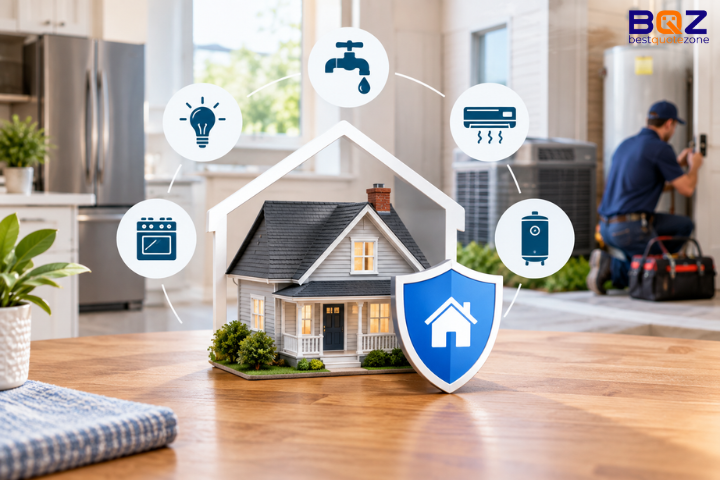
There is another distinction worth understanding when discussing property protection: home warranties are service contracts that generally cover eligible appliances and household systems when they experience covered breakdowns. Home insurance addresses specified property losses and other insured risks. The difference between home warranty and home insurance coverage matters because a broken appliance, a burglary and accidental property damage are not the same type of problem.
For renters, responsibility for repairing major household systems and appliances usually depends on the lease and applicable landlord-tenant laws. A home warranty is therefore not automatically something a tenant needs to purchase.
When a renter eventually becomes a homeowner, the situation can change. Comparing home warranty providers and their coverage options may then become relevant for managing eligible appliance and system repair costs.
How Much Does a Home Security System Cost for Renters?
The total cost depends on how much equipment is needed and whether the renter chooses self-monitoring or a paid monitoring service.
A small apartment may only need an indoor camera and a few entry sensors. A larger rental with several accessible windows and doors may require additional equipment.
Before selecting a package, consider these expenses:
|
Cost Factor |
What to Check |
|
Equipment |
Cameras, sensors, alarm panels and hubs |
|
Installation |
DIY setup or additional installation charges |
|
Monitoring |
Optional or required monthly subscription |
|
Video storage |
Local storage or paid cloud recording |
|
Accessories |
Adhesive mounts, batteries and replacement strips |
|
Cancellation |
Early termination or financing conditions |
|
Relocation |
Equipment transfer and setup requirements |
One common mistake is choosing a system based only on its advertised starter-kit price.
A cheaper package may require additional purchases to cover all entry points. Similarly, a system with a low equipment cost may have expensive recurring monitoring fees.
Compare the first-year cost and the ongoing cost separately. This provides a more realistic picture of what the system will cost throughout your rental period.
How to Choose the Right Security Setup for Your Apartment
There is no single system that works equally well for every renter. The right choice depends on the property, budget and level of monitoring required.
Consider these examples:
For a small studio apartment: A freestanding indoor camera and a few entry sensors may provide sufficient basic monitoring.
For a ground-floor apartment: Pay closer attention to accessible windows and doors. Additional contact sensors and suitable camera placement may be useful.
For frequent travelers: Smartphone notifications, reliable remote access and backup connectivity may be more important.
For renters on a tight budget: Start with essential entry-point protection and add equipment only when necessary.
For smart home users: Check whether the security system integrates with existing devices and whether those integrations require paid subscriptions.
Before purchasing anything, make a simple list of your apartment's entry points and identify which areas need monitoring. This helps prevent spending money on devices that add little practical value.
Frequently Asked Questions
1. What is the best home security system for renters?
SimpliSafe, Ring Alarm, Abode, Cove and ADT Self Setup are worth comparing. The best option depends on the equipment required, installation restrictions, monitoring preferences and budget.
2. Can renters install a security system without drilling?
Yes. Many DIY systems use wireless sensors, adhesive mounting accessories and freestanding cameras. However, renters should check their lease and the manufacturer's installation instructions before attaching equipment to walls, doors or windows.
3. Are no-drill security cameras effective?
They can provide useful indoor monitoring, motion detection and smartphone notifications. Their effectiveness depends on camera placement, image quality, Wi-Fi connectivity, power supply and the features included with the device.
4. Can I take my home security system when I move?
Most portable DIY equipment can be removed and reinstalled at another property. However, some devices may need replacement adhesive strips, new batteries or additional configuration. Check the provider's relocation policies before purchasing.
5. Can I use a security system without paying a monthly fee?
Some systems offer basic self-monitoring without a recurring subscription. However, features such as cloud video recording, advanced notifications and professional monitoring may require paid plans.
6. Do apartment security cameras need Wi-Fi?
Many smart cameras require Wi-Fi for live viewing, remote access and smartphone notifications. Some devices support local storage, but their features vary. Check what happens when the internet connection is unavailable.
7. Do renters need permission to install a video doorbell?
Permission requirements depend on the lease, building regulations, mounting method and local privacy laws. Renters should ask the landlord or property manager before attaching devices to shared or exterior surfaces.
8. What is the cheapest way to secure a rental apartment?
Start with basic entry-point protection. A compatible door sensor, window alarm, freestanding indoor camera and improved lighting may provide useful security without requiring a complete alarm package.
9. Is renters insurance enough to protect an apartment?
Renters insurance and security equipment provide different types of protection. Insurance may cover eligible financial losses, while security devices help monitor activity and alert occupants. Neither provides every type of protection on its own.
Final Thoughts
Securing a rental apartment does not have to involve permanent installations or expensive equipment. Wireless alarm systems, removable sensors, freestanding cameras and portable security devices give renters more flexibility when improving their living space.
The important part is choosing equipment that fits the apartment, complies with the lease and remains affordable over time.
Before making a decision, compare installation requirements, monitoring costs, privacy features and relocation policies. It is also worth remembering that physical security and financial protection are separate considerations. A camera can help you monitor your apartment, but it cannot replace appropriate insurance coverage or solve every property-related risk.
A practical security setup should make everyday living more secure without creating unnecessary complications when it is time to move.