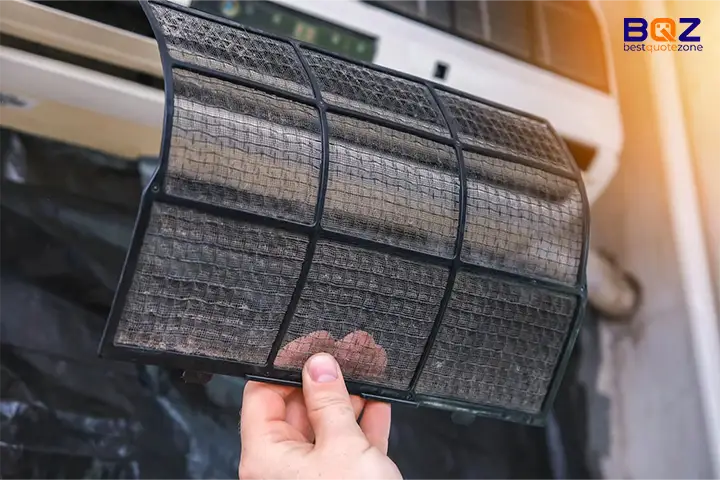
Your AC dies on the hottest day of the year. Your refrigerator gives up right before a dinner party. Sound familiar? That's exactly why home warranty providers have become a must-have for today's homeowners.
With home repair labor costs hitting record highs and the home warranty industry now valued at $4.6 billion, more homeowners are turning to protection plans to dodge gut-punch repair bills. But with dozens of companies offering different coverage levels, service fees and exclusions, choosing the right plan can feel overwhelming.
This guide breaks down the best home warranty providers of 2026: what they cover, what they don't and how to pick the right plan without getting burned by fine print. We'll also highlight key factors to consider before signing up, so you can protect your budget and your biggest household investments.
Quick Overview
Home warranties can help homeowners manage unexpected repair or replacement costs for major household systems and appliances. The best home warranty providers of 2026 offer different plans, coverage limits, service fees and pricing to suit various budgets. Some focus on essential systems like HVAC, plumbing and electrical, while others include appliances and optional add-ons.
Before choosing a plan, review exclusions, claim limits, waiting periods and service fees carefully. A little research can help you find coverage that offers practical protection without paying for benefits you don't need.
What Is a Home Warranty?
A home warranty is a service contract, not homeowners insurance. It is generally designed to help with eligible repairs or replacements when covered home systems or appliances stop functioning because of normal wear and tear.
Home warranties can also offer optional coverage for items such as pools, spas, septic systems, roof leaks, additional refrigerators and other household equipment.
One important distinction: homeowners insurance generally addresses covered unexpected events such as certain types of fire, theft or storm damage, while a home warranty focuses on eligible breakdowns of covered systems and appliances.
That difference matters because having homeowners insurance does not automatically mean your aging air conditioner or dishwasher is covered when it fails.
Why Comparing Home Warranty Companies Matters
Choosing a provider based solely on its monthly price can be a costly mistake. Two plans with similar premiums may have very different coverage limits, service fees, exclusions and claim procedures.
Before signing, look at these seven factors:
- Coverage: Check which systems and appliances are included and what protection is available through add-ons.
- Service Fees: Compare the fee you’ll pay each time you request a technician.
- Coverage Limits: Review the maximum amount the provider will pay toward repairs or replacements.
- Exclusions: Read the fine print for pre-existing conditions, maintenance issues and other exclusions.
- Waiting Periods: Find out how long you must wait before you can submit a claim.
- Contract Terms: Check cancellation policies, renewal terms and any additional charges.
- Customer Reviews: Look at service experiences and claim satisfaction to understand how the provider handles real-world repairs.
Top Home Warranty Providers of 2026
We’ve rounded up the leading best home warranty companies based on coverage options, pricing, service fees, flexibility and overall value to help you find a plan that fits your home and budget.
|
Provider |
Best For |
Monthly Cost |
Service Fee |
|
American Home Shield |
High coverage limits |
$47–$82 |
$75–$125 |
|
Liberty Home Guard |
Customization (40+ add-ons) |
$50–$90 |
$65–$125 |
|
Choice Home Warranty |
HVAC coverage |
$49–$60 |
$100 flat |
|
Select Home Warranty |
Budget-friendly |
$44–$64 |
$60–$75 |
|
First American Home Warranty |
Frequent claimers |
$42–$172 |
$75–$125 |
|
2-10 Home Buyers Warranty |
Structural & system coverage |
$30–$80 |
$65–$100 |
1. American Home Shield
American Home Shield is a long-established name in the home warranty market and stands out for its focus on systems and appliance protection. It can appeal to homeowners who want higher coverage limits and broader protection options.
Best for: Homeowners prioritizing broader systems coverage and higher limits.
2. Liberty Home Guard
Liberty Home Guard stands out for homeowners who want to customize their coverage. Its large selection of optional add-ons can make it attractive for properties with needs that go beyond standard appliance and systems protection.
Best for: Homeowners who want extensive customization.
3. Choice Home Warranty
Choice Home Warranty offers straightforward plan structures and is often considered by homeowners looking for broad systems and appliance coverage. Its service-fee structure can make repair-request costs easier to anticipate, while coverage details vary according to the plan selected and applicable contract terms.
Best for: Homeowners looking for simple plan options.
4. Select Home Warranty
Select Home Warranty can appeal to budget-conscious homeowners looking for basic protection for important systems and appliances. The company also offers optional coverage choices, allowing homeowners to tailor protection based on their property.
Best for: Homeowners focused on keeping warranty costs manageable.
5. First American Home Warranty
First American Home Warranty is another major provider offering protection for household systems and appliances. Its higher-tier coverage can be particularly appealing to homeowners concerned about expensive appliance repairs.
Best for: Homeowners seeking stronger appliance coverage.
6. 2-10 Home Buyers Warranty
2-10 Home Buyers Warranty is known for coverage that can extend across home systems, appliances and structural components through applicable plans and programs.
It may be especially relevant for homeowners and buyers who want to consider structural protection alongside more traditional warranty coverage.
Best for: Homeowners interested in systems, appliances and structural protection.
What's Actually Covered?
Most home warranty providers cover three buckets:
- Systems: HVAC, electrical and plumbing are the core. Top 2026 plans also cover smart thermostats and built-in home tech. AHS uniquely covers unknown pre-existing conditions and lack-of-maintenance breakdowns.
- Appliances: Dishwashers, ovens, refrigerators, washers/dryers, built-in microwaves and garbage disposals are standard.
- Add-Ons: Roof leak repair, pool/spa, septic systems and EV charger coverage are trending in 2026. Per This Old House's 2026 survey, coverage was the top priority for over 52% of homeowners outranking price by more than double.
- Coverage Limits: Each provider sets maximum payout limits for individual items, so check these caps before choosing a plan, especially for expensive HVAC systems or appliances.
- Age & Condition Requirements: Some providers may limit coverage based on an item's age, condition, installation or maintenance history, so review these requirements carefully.
- Replacement Terms: If a covered item cannot be repaired, the provider may offer a replacement or cash equivalent, depending on the contract's terms and coverage limits.
The Real Cost of a Home Warranty in 2026
The monthly premium is only one piece of the puzzle. Based on the example pricing ranges above, a homeowner paying $60 per month would spend approximately $720 per year in premiums. Add two $100 service calls and the annual cost becomes $920. But that doesn't automatically mean the homeowner saved money.
Suppose the homeowner experiences one covered repair costing $900. If the warranty company pays the eligible amount after the service fee and applicable limits, the plan could provide meaningful value.
On the other hand, if no covered breakdown occurs during the year, the homeowner may spend the premium without receiving a direct repair benefit. That's why home warranties are better viewed as a budget-management tool, rather than a guaranteed way to save money.
What Can Increase Your Total Cost?
- Higher service-call fees
- Premium add-ons
- Low coverage limits
- Renewal price increases
- Non-covered repair components
- Multiple service calls
- Expenses outside the contract
Are Home Warranties Worth It?
A home warranty may make sense if you:
- Own an older home
- Have aging appliances or systems
- Want more predictable repair expenses
- Don't have a large emergency fund
- Prefer having a provider coordinate eligible repairs
- Own a rental property and want an additional layer of repair support
It may be less appealing if you:
- Own a newer home with existing builder coverage
- Have substantial savings for unexpected repairs
- Prefer choosing your own contractors
- Have recently replaced most major appliances and systems
- Don't want the restrictions associated with a service contract
The right decision depends on your home's age, condition, financial situation and tolerance for unexpected repair costs.
What a Home Warranty Usually Doesn't Cover
This is where reading the contract becomes especially important.
Depending on the provider and plan, exclusions may include:
- Pre-existing problems
- Cosmetic damage
- Improper installation
- Code violations
- Lack of maintenance
- Certain structural modifications
- Items outside stated coverage limits
- Damage caused by specific excluded events
A warranty also isn't a substitute for routine maintenance. If your HVAC manufacturer recommends regular servicing, keeping maintenance records can be useful when dealing with coverage questions.
Conclusion
Choosing among home warranty providers isn't about finding the cheapest plan, it's about finding the most reliable one when your furnace quits at midnight. Prioritize coverage limits, claim approval history and contract transparency over a low monthly sticker price. Look for providers that are upfront about exclusions, aggregate caps and service fee options. This is concise, action-oriented and aligns well with BestQuoteZone's quote-comparison model without feeling overly promotional.