Home improvement projects are exciting, but choosing the right contractor can be one of the most difficult parts of the process. Whether you're replacing an aging roof, installing solar panels, upgrading your windows, remodeling a bathroom, replacing gutters or looking for a home warranty, the professional you choose can have a major impact on the final result.
The biggest mistake homeowners make is comparing contractors based only on price. A lower estimate may look attractive, but it could leave out important work, use different materials or provide less warranty protection.
A better approach is to compare the complete value of each proposal. That means looking at experience, credentials, project scope, materials, warranties, timelines, reviews, communication and payment terms.
This 2026 buyer's guide explains how to compare home improvement contractors, what to look for in an estimate, which questions to ask and how to recognize warning signs before you sign a contract.
Quick Answer
To compare home improvement contractors, start by getting two or three detailed written estimates from qualified professionals. Make sure each quote covers a similar scope of work, then compare experience, licensing, insurance, materials, labor, warranties, timelines, payment schedules and customer feedback. Don't automatically choose the lowest bid. The best contractor should provide a clear proposal, relevant experience, reliable communication and good overall value.
Why Should You Compare Home Improvement Contractors?
Hiring a contractor is a significant financial decision. Even relatively small projects can involve substantial costs, while major renovations can affect your home for decades. Getting multiple estimates gives you an opportunity to understand the market and identify differences between contractors.
For example, imagine you receive three roofing estimates. One contractor offers the lowest price, but the quote does not include replacing damaged decking. Another costs more but includes better underlayment and a longer workmanship warranty. A third includes additional ventilation improvements.
The difference is not necessarily that one contractor is "expensive." The contractors may simply be offering different levels of service. The same thing happens with solar installations, window replacement, bathroom remodeling and gutter projects.
Comparing contractors helps you answer an important question: What am I actually getting for the money I'm spending?
What Should You Compare When Hiring a Contractor?
Price should be part of your decision, but it should not be the only factor. Use these areas to compare contractors:
|
Factor |
What to Compare |
|
Experience |
Similar projects and years of relevant experience |
|
Credentials |
Licenses and certifications where applicable |
|
Insurance |
Appropriate liability and workers' compensation coverage |
|
Reviews |
Recent customer experiences |
|
References |
Homeowners with similar projects |
|
Scope |
Work included and excluded |
|
Materials |
Brands, models, grades and specifications |
|
Warranty |
Labor and manufacturer coverage |
|
Timeline |
Start and completion expectations |
|
Payment |
Deposit and milestone payments |
|
Permits |
Who handles permits and inspections |
|
Communication |
Project manager and communication process |
1. Check the Contractor's Experience
Experience is important, but relevant experience is even more important. A contractor who has installed hundreds of windows may not have the expertise needed for a complicated bathroom remodel. Likewise, a general remodeling company may not have the specialized experience required for a solar installation. Before requesting a quote, ask about the contractor's experience with projects similar to yours.
Look for:
- Years of relevant experience
- Number of similar projects completed
- Recent project examples
- Experience with your type of property
- Experience with the materials or systems you want
A contractor should be able to explain how they approach your project and identify potential challenges before work begins.
2. Verify Licensing and Insurance
Contractor licensing requirements vary throughout the United States. Some states regulate contractors at the state level, while some cities and counties have additional requirements.
Before hiring a contractor, find out what requirements apply to your project and location. Ask the contractor for applicable license information and verify it through the appropriate state or local authority.
You should also ask about insurance. Depending on the work being performed, appropriate coverage may help protect homeowners and workers from certain accidents, injuries or property damage.
3. Compare Reviews and References
Online reviews can tell you a lot about how a contractor treats customers after the sale. Don't focus only on the overall rating. Read several recent reviews and look for patterns.
Positive signs may include:
- Good communication
- Professional crews
- Quality workmanship
- Accurate estimates
- Clean job sites
- Prompt responses to problems
Warning signs may include:
- Repeated delays
- Poor communication
- Unexpected charges
- Incomplete projects
- Unresolved warranty complaints
For larger projects, ask whether the contractor can provide references from recent customers with similar work.
4. Compare Contractor Quotes Carefully
Once you've collected estimates, don't compare only the total price. Read each proposal carefully and identify what is actually included.
Check the Scope of Work
The estimate should clearly describe the work being performed. For a bathroom remodel, for example, determine whether demolition, plumbing, electrical work, waterproofing, tile, fixtures, cabinetry, painting and cleanup are included.
Compare Materials
Look for specific materials and product information.
"New roof" or "replacement windows" is not detailed enough to make a meaningful comparison.
Check Labor
Make sure installation and necessary labor are included.
Look for Exclusions
An estimate should tell you what is not included. Exclusions can become unexpected expenses later.
Review Disposal and Cleanup
For projects involving removal of existing materials, confirm who handles hauling and disposal.
Understand Change Orders
Unexpected problems can happen. Your contract should explain how additional work will be priced and approved.
5. Understand the Warranty
Warranties can be easy to overlook when you're focused on price. However, warranty protection can be particularly important for roofing, windows, solar and other major installations.
Ask:
- What does the warranty cover?
- How long does coverage last?
- Does it cover labor?
- What does the manufacturer cover?
- Are there exclusions?
- Who handles warranty claims?
- Is the warranty transferable if you sell the home?
A manufacturer warranty and a contractor workmanship warranty are different forms of protection, so understand both before signing.
Questions to Ask Contractors Before Hiring
Knowing what questions to ask contractors can help you identify differences that aren't obvious from the estimate. Ask every contractor the same core questions:
- How long have you been doing this type of work?
- Have you completed projects similar to mine?
- Are you licensed where required?
- Do you carry appropriate insurance?
- Can you provide recent references?
- Will employees or subcontractors perform the work?
- Who supervises the project?
- What permits are required?
- What materials are included?
- What is excluded from the estimate?
- How long will the project take?
- What happens if unexpected problems are discovered?
- How are change orders handled?
- What warranties are included?
- What payment schedule do you require?
Asking identical questions makes it much easier to compare the answers.
How to Compare Contractors by Home Improvement Project
The right comparison criteria can change depending on the project.
Roofing Contractors
Roofing is one of the most important areas where homeowners should avoid choosing solely on price.
Compare:
- Roofing material
- Manufacturer and product line
- Underlayment
- Flashing
- Ventilation
- Decking repairs
- Tear-off
- Disposal
- Installation methods
- Workmanship warranty
A good roofing estimate should give you a clear understanding of what happens from removal of the old roof through final cleanup.
Solar Contractors
Solar proposals can look confusing because contractors may recommend different system sizes and equipment.
When comparing solar installers, look at:
- Panel brand and efficiency
- System size
- Inverter technology
- Estimated energy production
- Equipment warranties
- Workmanship warranty
- Monitoring
- Electrical upgrades
- Battery storage
- Financing terms
Don't focus only on the proposed monthly payment. Understand the total project cost, financing terms, expected production and assumptions behind projected savings.
Bathroom Remodeling Contractors
Bathroom remodeling quotes can vary widely because homeowners often have different expectations for materials and finishes.
Compare whether the estimate includes:
- Demolition
- Plumbing
- Electrical work
- Waterproofing
- Tile
- Flooring
- Vanity and cabinetry
- Fixtures
- Lighting
- Ventilation
- Painting
- Cleanup
Also ask what happens if you change a fixture, tile or finish after the project starts.
Gutter Contractors
Gutters are part of your home's drainage system, so installation quality matters.
Compare:
- Gutter material
- Gutter size
- Seamless or sectional construction
- Downspout placement
- Leaf protection
- Fascia repairs
- Removal of old gutters
- Drainage solutions
- Installation warranty
A professional should consider where water will go after it leaves the gutters, not simply how many feet of gutter are needed.
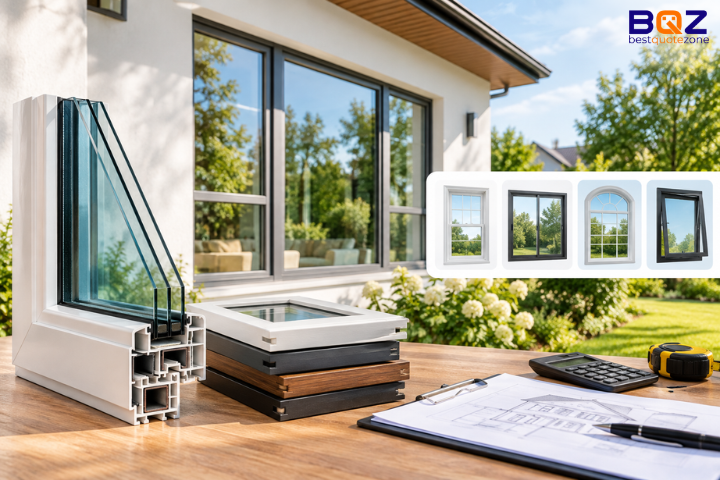
Window Contractors
When comparing window contractors, look beyond the advertised window price.
Review:
- Window material
- Frame construction
- Glass specifications
- Energy-efficiency ratings
- Installation method
- Manufacturer warranty
- Labor warranty
- Trim and finishing
- Removal and disposal
Ask whether the quote includes insulation, flashing, interior trim and exterior finishing.
Home Warranty Providers
A home warranty is different from a traditional contractor because you're purchasing a service contract rather than hiring someone to complete a specific renovation.
When comparing home warranty plans, review:
- Covered appliances
- Covered home systems
- Exclusions
- Service fees
- Coverage limits
- Waiting periods
- Repair and replacement terms
- Claims process
- Service-provider network
- Cancellation terms
A plan with a lower annual cost may provide less coverage or have more exclusions. Read the contract carefully before purchasing.
How to Choose a Contractor
After reviewing your options, use a simple decision process.
Step 1: Define Your Project
Know what you want before comparing contractors. Identify materials, finishes, features and priorities.
Step 2: Get Multiple Quotes
Request estimates from qualified professionals with experience in your specific project.
Step 3: Compare the Scope
Make sure you're comparing similar work.
Step 4: Verify Credentials
Check applicable licenses, insurance, reviews and references.
Step 5: Compare Overall Value
Consider price alongside materials, workmanship, warranties, communication and timeline.
Step 6: Read the Contract
Before signing, make sure the important details are documented. If a promise matters to you, make sure it appears in writing.
Common Mistakes Homeowners Should Avoid
Mistake 1: Choosing Based Only on Price
The cheapest quote may not provide the best value.
Mistake 2: Comparing Different Scopes
Different materials and services can make two estimates impossible to compare fairly.
Mistake 3: Ignoring the Warranty
Always understand both product and workmanship coverage.
Mistake 4: Skipping Reference Checks
Reviews and references can reveal problems that aren't obvious during a sales consultation.
Mistake 5: Accepting Verbal Promises
Important agreements should appear in the written contract.
Mistake 6: Rushing the Decision
A legitimate contractor should give you reasonable time to review the proposal and ask questions.
Conclusion
The right home improvement contractor can make your project easier, more predictable and potentially more valuable. The wrong choice can lead to delays, unexpected costs, poor workmanship and frustration. That's why homeowners should compare home improvement contractors before signing a contract.
Whether you're planning a roof replacement, solar installation, bathroom remodel, gutter upgrade, window replacement or considering a home warranty, take time to compare the complete offer. Look at the contractor's experience, credentials, reviews, scope of work, materials, warranties, timeline, payment terms and communication, not just the price. Getting multiple quotes gives you more information and puts you in a better position to make an informed decision.