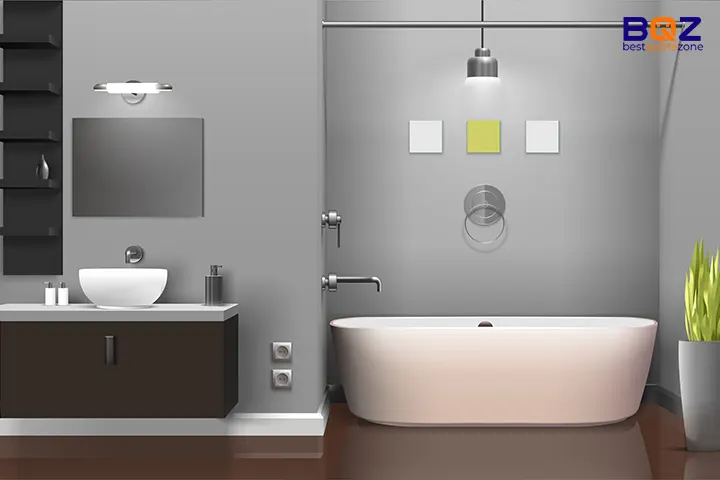
Planning a bathroom renovation starts with one important question: How much does a bathroom remodel cost?
In 2026, bathroom remodeling costs can range from a few thousand dollars for a simple update to $30,000 or more for a large, high-end renovation. The final price depends on the bathroom's size, materials, labor rates, plumbing, electrical work, permits and the extent of the changes.
For many homeowners, a standard professional bathroom remodel falls somewhere around $6,000 to $18,000, while small bathrooms can cost less and luxury primary bathrooms can cost considerably more.
This guide explains the average bathroom renovation cost, small bathroom remodel cost, major price factors and ways to keep your project within budget.
Quick Answer:
A bathroom remodel can improve your home's comfort, functionality, style and overall appeal. From updating outdated fixtures and finishes to creating a more modern and accessible space, the right renovation can make a noticeable difference in your daily routine. The project may include upgrades to the vanity, shower, bathtub, flooring, lighting, plumbing and storage. Careful planning and professional workmanship can help create a bathroom that is practical, durable and suited to your home's needs.
Small Bathroom Remodel Cost
The small bathroom remodel cost typically ranges from $1,500 to $15,000, depending on what you plan to replace.
A simple powder room update could cost only a few thousand dollars. A small full bathroom with new flooring, shower tile, vanity, toilet, lighting and plumbing fixtures can cost considerably more.
Bathroom Remodel Cost by Size
Bathroom size can influence the amount of tile, flooring, cabinetry and labor required, but it does not determine the final price on its own. Small bathrooms may still have high costs when plumbing, premium finishes or extensive labor are involved. Based on the cost ranges discussed in this guide, homeowners can use the following figures as general planning benchmarks:
|
Bathroom Size |
Typical Project Scope |
Estimated Cost Range |
|
Small / Powder Room |
Refresh, fixtures, vanity and cosmetic updates |
$1,500–$5,000 |
|
Small Full Bathroom |
Flooring, shower, vanity, toilet and fixture upgrades |
$7,000–$15,000 |
|
Standard Bathroom |
Mid-range renovation with multiple upgrades |
$10,000–$20,000 |
|
Large Bathroom |
Extensive remodel with more materials and labor |
$20,000–$30,000+ |
|
Primary Bathroom |
High-end renovation with premium finishes |
$30,000–$50,000+ |
|
Luxury / Custom Bathroom |
Custom cabinetry, premium materials and specialty features |
$50,000+ |
These are planning ranges rather than fixed prices. A smaller bathroom with custom glass, natural stone, premium fixtures or relocated plumbing can cost more than a larger bathroom with standard finishes.
Average Bathroom Renovation Cost
The average bathroom renovation cost varies because homeowners define "remodel" differently.
A cosmetic renovation may involve painting, fixtures, lighting and a vanity. A complete renovation could involve demolition, new tile, plumbing, electrical work, waterproofing, cabinetry and new fixtures.
For budgeting purposes, many homeowners can use these general ranges:
- $1,500–$5,000: Cosmetic improvements
- $5,000–$10,000: Small or limited remodel
- $10,000–$20,000: Standard mid-range renovation
- $20,000–$30,000: Extensive remodel
- $30,000–$50,000+: High-end primary bathroom
- $50,000+: Luxury or custom renovation
What Does a Bathroom Remodel Include?
A bathroom renovation can involve several different components.
Common expenses include:
- Demolition and debris removal
- Vanity and cabinets
- Countertop
- Sink
- Toilet
- Bathtub or shower
- Flooring
- Wall and shower tile
- Faucets
- Lighting
- Electrical work
- Plumbing
- Waterproofing
- Painting
- Ventilation
- Permits
- Labor
The more components you replace, the more your bathroom remodeling cost is likely to increase.
Bathroom Remodel Cost by Component
Vanity and Cabinets
Stock vanities are generally less expensive than custom cabinetry. Costs increase with larger sizes, premium materials, custom designs, double sinks and specialty hardware.
If your existing vanity is structurally sound, refinishing or replacing the countertop may cost less than replacing the entire unit.
Shower
The shower can become one of the most expensive parts of a bathroom remodel.
Premium features such as:
- Frameless glass doors
- Custom tile
- Multiple showerheads
- Built-in niches
- Shower benches
- Steam systems
- Curbless designs
can substantially increase the project price.
Flooring and Tile
Ceramic and porcelain tile are popular choices for bathrooms. Natural stone and custom tile patterns generally cost more.
Installation is another major consideration. Intricate layouts, small tiles, waterproofing requirements and difficult surfaces can increase labor costs.
Toilet and Fixtures
Replacing a toilet or faucet is relatively straightforward when the plumbing remains in the same location.
Homeowners can also consider water-efficient fixtures. WaterSense-labeled toilets, faucets and showerheads are designed to reduce water use while meeting performance requirements.
What Factors Affect Bathroom Remodel Cost?
Several factors determine your final bathroom renovation cost.
1. Bathroom Size
Larger bathrooms typically require more flooring, tile, cabinetry and labor. However, size isn't everything. A small bathroom with expensive materials can cost more per square foot than a larger, simpler bathroom.
2. Layout Changes
Moving a toilet, sink, shower or bathtub can significantly increase costs because plumbing may need to be relocated.
Keeping existing plumbing locations is one of the easiest ways to control a remodeling budget.
3. Materials
Your material choices have a major impact.
Budget-friendly options may include:
- Stock vanities
- Standard tile
- Basic faucets
- Prefabricated shower systems
Premium options may include:
- Custom cabinets
- Natural stone
- Designer fixtures
- Custom glass
- Large-format tile
4. Labor
Bathroom remodeling involves several skilled trades. Plumbing, electrical work, tile installation, waterproofing, cabinetry and general construction can all contribute to labor costs.
Hiring solely based on the lowest labor price can be risky. Poor waterproofing or plumbing work may result in expensive repairs later.
5. Hidden Problems
Once demolition begins, contractors may discover:
- Water damage
- Rot
- Mold
- Damaged subfloor
- Leaking pipes
- Outdated wiring
- Improper previous repairs
Consider keeping 10%–20% of your budget available for unexpected expenses, particularly when remodeling an older bathroom.
6. Location
Bathroom remodeling costs vary across the United States. Labor rates and contractor overhead tend to be higher in many major metropolitan areas, while local permit requirements and material availability can also affect pricing.
Bathroom Remodel Cost by Region
Location can have a noticeable effect on bathroom remodeling costs across the United States. Labor rates, contractor overhead, permit requirements and material availability can vary by market. Major metropolitan areas often have higher labor and contractor costs, while local permit rules and material availability can also influence the final estimate.
|
Regional Pricing Factor |
Potential Cost Impact |
|
Major metropolitan areas |
Labor and contractor overhead may be higher |
|
Smaller or lower-cost markets |
Labor costs may be lower depending on local conditions |
|
Areas with stricter permit requirements |
Additional permit-related expenses may apply |
|
Areas with limited material availability |
Material sourcing may increase project costs |
|
High-demand contractor markets |
Contractor pricing may be higher |
|
Older housing markets |
Hidden issues such as damaged subfloors, wiring or pipes may increase costs |
Because the available cost ranges in this guide are national planning estimates rather than city-specific figures, homeowners should use local contractor quotes to establish a more precise regional budget.
Bathroom Remodel Cost Calculator
Use this simple planning calculator to estimate which bathroom remodeling budget range may fit your project.
Step 1: Choose Your Project Scope
|
Project Type |
Planning Budget |
|
Cosmetic improvements |
$1,500–$5,000 |
|
Small or limited remodel |
$5,000–$10,000 |
|
Standard mid-range renovation |
$10,000–$20,000 |
|
Extensive remodel |
$20,000–$30,000 |
|
High-end primary bathroom |
$30,000–$50,000+ |
|
Luxury or custom renovation |
$50,000+ |
Step 2: Consider Your Bathroom Size
Small bathroom: Start with the lower project ranges, but remember that plumbing, electrical work, demolition and labor can still create significant fixed costs.
Standard bathroom: A mid-range renovation of around $10,000–$20,000 can serve as a general starting point.
Large or primary bathroom: More flooring, tile, cabinetry and labor can push the project toward $20,000–$50,000+.
Step 3: Add a Contingency
Set aside 10%–20% of your remodeling budget for unexpected expenses, particularly when renovating an older bathroom. Hidden problems can include water damage, rot, mold, damaged subfloors, leaking pipes and outdated wiring.
Quick Budget Formula
Estimated Remodeling Budget = Base Project Range + 10%–20% Contingency
For example, if your planned renovation falls into the $10,000–$20,000 standard mid-range category, keeping an additional 10%–20% available for unexpected work gives you a planning buffer of approximately $1,000–$4,000.
Your final estimate should be based on the actual scope, materials, labor rates, location and condition of the bathroom.
How to Save Money on a Bathroom Remodel
You don't necessarily need to choose the cheapest materials to reduce your bathroom remodeling cost. Try these strategies:
- Keep the Existing Layout: Avoid moving plumbing unless the new layout provides a meaningful improvement.
- Mix Budget and Premium Finishes: Spend more on features that matter most and choose affordable options elsewhere. For example, you could install a quality shower system while using a standard vanity and reasonably priced tile.
- Choose Standard Sizes: Custom cabinets, glass and fixtures generally cost more than standard products.
- Select Materials Early: Know what fixtures and finishes you want before construction begins. Last-minute changes can cause delays and additional charges.
- Compare Contractor Quotes: Get multiple detailed estimates and make sure you're comparing similar scopes of work.
How to Compare Bathroom Remodeling Contractors
Before hiring a contractor, ask what the estimate includes.
Your quote should clearly identify:
- Materials
- Labor
- Demolition
- Disposal
- Plumbing
- Electrical work
- Waterproofing
- Tile installation
- Fixtures
- Permits
- Cleanup
- Warranty
- Estimated completion date
Also ask how unexpected work will be handled. A professional contractor should be able to explain the scope, payment schedule, expected timeline and change-order process clearly. Getting at least three comparable quotes can give you a better understanding of local pricing.
Common Bathroom Remodeling Mistakes
Avoid these common mistakes when planning your renovation:
- Moving plumbing unnecessarily: This can add significant costs.
- Choosing finishes before setting a budget: Premium materials can quickly push a project over budget.
- Ignoring waterproofing: Attractive tile won't protect your bathroom if the underlying waterproofing is poorly installed.
- Forgetting ventilation: Bathrooms need effective moisture control to help prevent long-term problems.
- Spending the entire budget: Keep money available for unexpected issues.
- Choosing a contractor based only on price: Experience, scope, insurance, workmanship and warranty matter too.
Is a Bathroom Remodel Worth It?
A bathroom remodel can improve comfort, functionality, appearance, storage and maintenance.
It may also make your home more attractive to future buyers.
However, you don't necessarily need the most expensive finishes to get a good result. A well-planned mid-range renovation can provide excellent improvements without the cost of a luxury remodel.
If you're remodeling before selling, focus on practical upgrades, quality workmanship and features that appeal to a broad range of homeowners.
Final Thoughts on Bathroom Remodel Cost
The bathroom remodel cost in 2026 can vary from approximately $1,500 for a simple update to $30,000, $50,000 or more for a luxury renovation.
For many homeowners, $6,000 to $18,000 is a useful starting range for a standard professional remodel. However, your actual cost will depend on your bathroom's size, location, materials, labor rates, layout and existing condition.
The smartest way to establish a realistic budget is to compare detailed quotes from qualified local contractors.
Before choosing a contractor, look beyond the final price. Compare the scope of work, materials, warranties, timeline, permits and how unexpected costs will be handled.

.png)
.png)